Vital Factors to Think About and Types to Explore When Buying New Shipping Containers
When considering the acquisition of new Shipping containers, numerous essential variables enter into play. Container size and intended usage considerably influence the choice. Product types also influence longevity and performance. On top of that, understanding financial restraints is crucial. Each aspect calls for cautious thought to assure the container satisfies specific demands. Nevertheless, the intricacies of these aspects can result in complication. Exploring them extra can provide clarity and overview buyers toward an enlightened choice.

Recognizing Container Sizes and Capacities
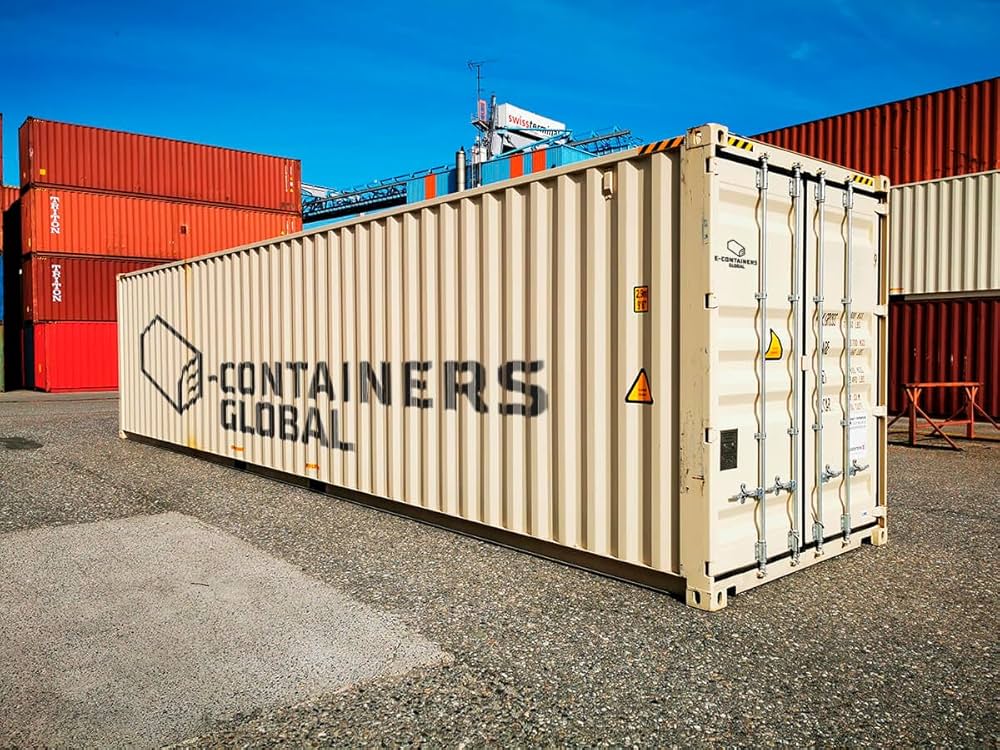
Delivering containers come in different dimensions and measurements, vital for meeting certain transportation and storage needs. The most common container sizes are 20-foot and 40-foot devices, with the 20-foot container providing roughly 1,160 cubic feet of room, while the 40-foot version provides about 2,390 cubic feet. Furthermore, there are high-cube containers that provide extra elevation, permitting even more volume and fitting larger cargo.
Specialized containers, such as chilled units, are available for transporting temperature-sensitive goods, while flat shelf containers are made for large products. When choosing a container, it is important to assess the intended use, as different dimensions can greatly influence Shipping prices and logistics. Understanding the measurements and capability of each container type enables buyers to make educated choices, making sure efficient transport and best usage of area for their cargo requires.
Assessing Container Condition: New vs. Used
When selecting a delivery container, customers must consider the problem of the device, whether brand-new or used (New Sea Containers For Transportation). New containers provide the advantage of beautiful problem, assuring architectural integrity and a longer life-span. They commonly come with guarantees, supplying comfort for purchasers searching for reliability in transportation or storage. However, new containers are commonly more pricey
On the other hand, utilized containers can provide considerable cost savings. These units may show indicators of wear, such as rust or damages, but lots of are still structurally audio and ideal for numerous objectives. Customers ought to thoroughly check made use of containers for leaks, structural damage, and general condition to validate they meet their needs. Qualification of seaworthiness can additionally be an important indication of high quality. Inevitably, the choice in between pre-owned and brand-new containers ought to align with the customer's spending plan, meant use, and long-lasting plans for the container.
Material Types and Their Ramifications
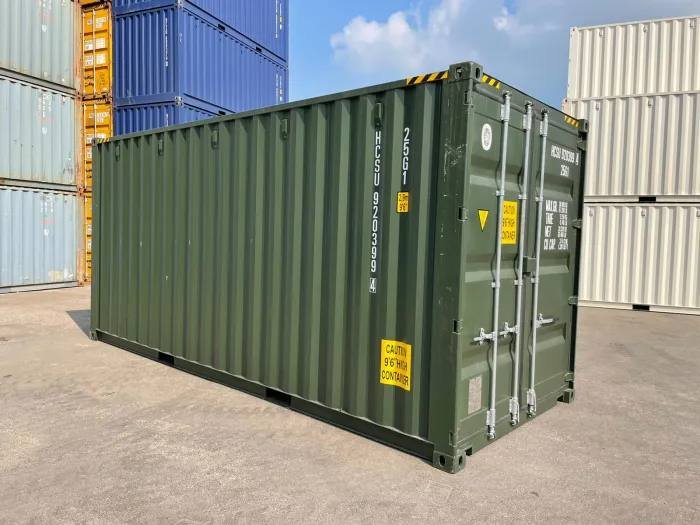
While many customers concentrate on the problem of Shipping containers, the product type likewise plays an essential function in determining their viability for different applications. Many Shipping containers are constructed from corten steel, recognized for its strength and resistance to deterioration. This makes them optimal for worldwide shipping, where exposure to severe weather conditions prevails.
One more alternative consists of changed containers made from wood or composite products, suitable for creative applications. Each product type has distinctive implications, affecting durability, maintenance requirements, and total expense - New Sea Containers For Transportation. Purchasers need to very carefully evaluate these factors to guarantee their chosen container lines up with their designated objective and environmental conditions
Meant Use: Storage Space, Offices, or Living Rooms
Identifying the meant use a delivery container can greatly affect the choice process, as different applications require particular features and modifications. For storage purposes, containers might require ventilation, shelving, or environment control to secure goods from wetness and temperature level changes. On the other hand, when made as office, containers usually require insulation, electric wiring, and windows to develop a comfortable and useful functioning environment.
If the goal click over here is to develop living spaces, additional factors to consider enter play, such as plumbing, improved insulation, and visual finishes (New Shipping Containers). Each planned usage necessitates a different strategy to design and performance, which straight affects the general cost and feasibility of the task. As a result, recognizing the specific needs of storage, office, or living applications is crucial in making an educated choice when purchasing a shipping container
Budgeting for Your Shipping Container Acquisition
As possible customers explore the option of buying a delivery container, developing a clear budget plan comes to be necessary to the decision-making procedure. Delivering containers can be found in different dimensions and conditions, which considerably affect their rates. New containers generally cost greater than used ones, but they may offer much better resilience and less repair work.
To properly handle their spending plan, customers should conduct extensive research study to contrast costs from numerous suppliers and assess the container's condition. By taking these elements into account, prospective purchasers can make educated monetary choices that straighten with their long-lasting objectives and details needs.
Often Asked Inquiries
Can I Customize My Shipping Container After Acquisition?
Yes, shipping containers can be personalized after acquisition. Proprietors usually customize them for various uses, such as including doors, home windows, insulation, or electrical systems, tailoring the container to meet certain requirements or choices.
What Allows Are Required for Positioning a Delivery Container on My Residential or commercial property?
The required authorizations for putting a shipping container on property differ by place. Generally, homeowners have to consult regional zoning laws, constructing codes, and possibly acquire permits for frameworks, storage, or land make use of as required.
Just how Do I Deliver a Shipping Container to My Area?
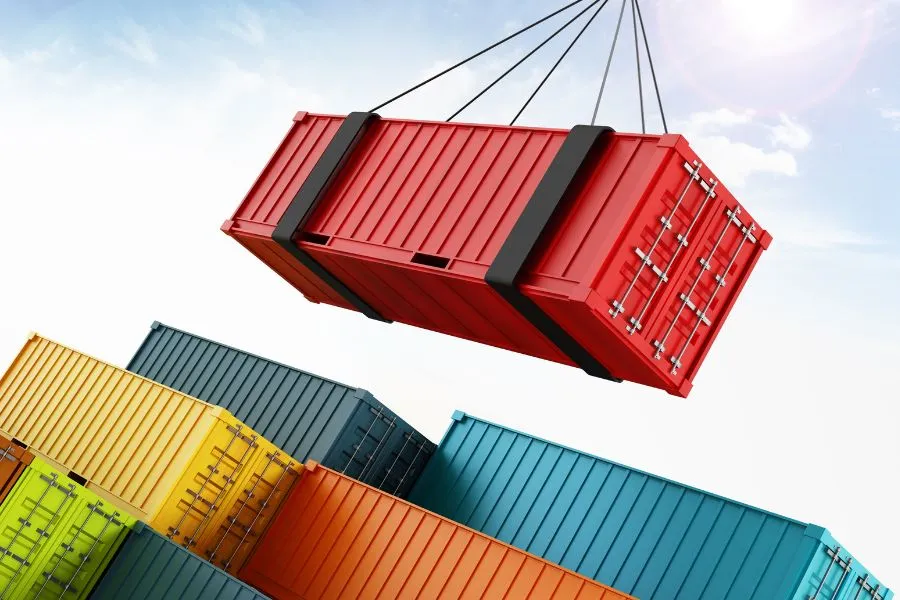
To deliver a shipping container, one have to set up for a flatbed truck or specialized container transportation vehicle. Appropriate equipment and licenses are necessary to assure safe delivery and conformity with neighborhood policies throughout transportation.
Are There Funding Options Available for Acquiring Shipping Containers?
Yes, numerous financing choices are available for buying Shipping containers, consisting of fundings, leases, and rental agreements. Numerous distributors offer versatile settlement plans to suit different budget plans and economic scenarios, guaranteeing availability for possible buyers.
What Is the Typical Life Expectancy of a Shipping Container?
The typical life-span of a delivery container usually varies from 10 to 25 years, depending on aspects such as usage, maintenance, and ecological problems. Correct treatment can greatly extend the container's long life and usability.
The most common container sizes are 20-foot and 40-foot systems, with the 20-foot container offering around 1,160 cubic feet of area, while the 40-foot version provides regarding 2,390 cubic feet. Specialized containers, such as refrigerated units, my explanation are available for carrying temperature-sensitive products, while flat rack containers are developed for oversized items. When selecting a delivery container, customers have to take into consideration the problem of the system, whether new or utilized. While numerous buyers focus on the problem of Shipping containers, the product kind likewise plays a vital function in establishing their viability for different applications. To deliver a delivery container, one should organize for a flatbed truck or specialized container transport lorry.